
Sustainable Development Goals (SDGs)
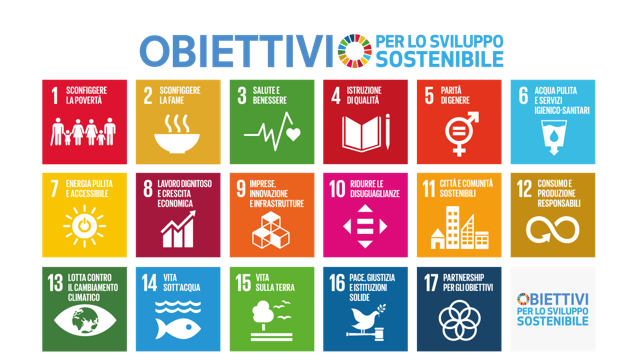
The Department contributes to the Sustainable Development Goals (SDGs) of the 2030 Agenda through teaching, research and knowledge transfer activities focused on health, innovation and sustainability.
The periodic analysis of degree programmes, research projects and scientific output highlights a broad contribution to the SDGs, with particular specialisation in the areas of health, scientific innovation, quality education and sustainability.
The Department's activities contribute primarily to the following Goals:
- SDG 3 – Good Health and Well-being
- SDG 4 – Quality Education
- SDG 5 – Gender Equality
- SDG 8 – Decent Work and Economic Growth
- SDG 9 – Industry, Innovation and Infrastructure
- SDG 10 – Reduced Inequalities
- SDG 12 – Responsible Consumption and Production
- SDG 17 – Partnerships for the Goals
Teaching and training
The Department's educational programmes are characterised by a multidisciplinary and translational approach integrating pharmacological, biomedical, psychological, nutritional and socio-health expertise.
The degree programmes promote the education and training of highly qualified professionals, in close connection with scientific research, the Italian National Health Service and the production system. Teaching activities contribute in particular to SDGs 3 and 4 through innovative methodologies, laboratory activities, professionally oriented programmes and initiatives aimed at developing scientific, technical and transversal skills.
The educational programmes also incorporate the principles of inclusion, equity, innovation and sustainability, thereby contributing to SDGs 5, 8, 9, 10, 12 and 17.
Research
The Department's research includes clinical, preclinical and observational studies developed in collaboration with public bodies, academic institutions, and national and international partners.
The main research areas include:
- prevention, diagnosis and treatment of diseases;
- neuroscience and neurodegenerative diseases;
- pharmacology and the development of innovative therapeutic strategies;
- nutrition, functional foods and bioactive compounds;
- valorisation of natural resources, circular economy and sustainability of production systems.
The monitoring of research projects and scientific output confirms the Department's central role in pursuing SDG 3 – Good Health and Well-being, alongside significant contributions to the SDGs related to innovation, education, inclusion and sustainability.
Knowledge Transfer and Public Engagement
The Department promotes numerous scientific outreach and public engagement activities aimed at citizens, schools, professionals and the local community.
These initiatives address topics such as mental health, nutrition, prevention, therapeutic innovation, well-being and the responsible use of technologies, contributing primarily to SDG 3. Through educational activities and collaborations with public bodies, associations and national and international institutions, the Department also contributes to the SDGs related to quality education, innovation and partnerships for sustainable development.
Commitment to Sustainability
The Department promotes the integration of sustainability principles into research activities and working environments. In 2026, the Research Sustainability Committee was established to coordinate initiatives aimed at encouraging the adoption of good environmental practices, the efficient use of resources and the reduction of the environmental impact of research activities, also in collaboration with the University's Green Office.
The Department aims to progressively strengthen its contribution to the Sustainable Development Goals by promoting interdisciplinary research, scientific innovation, national and international collaborations, and the increasing integration of the SDGs into its institutional activities.
Last update
18.09.2026